
Updated June 16, 2026: IPL prize stories can travel quickly because they sound simple: one fan, one match night, one surprising result. The reader task is not to chase the story. The useful task is to ask what can be verified, what terms apply, and what part of the story is only entertainment.
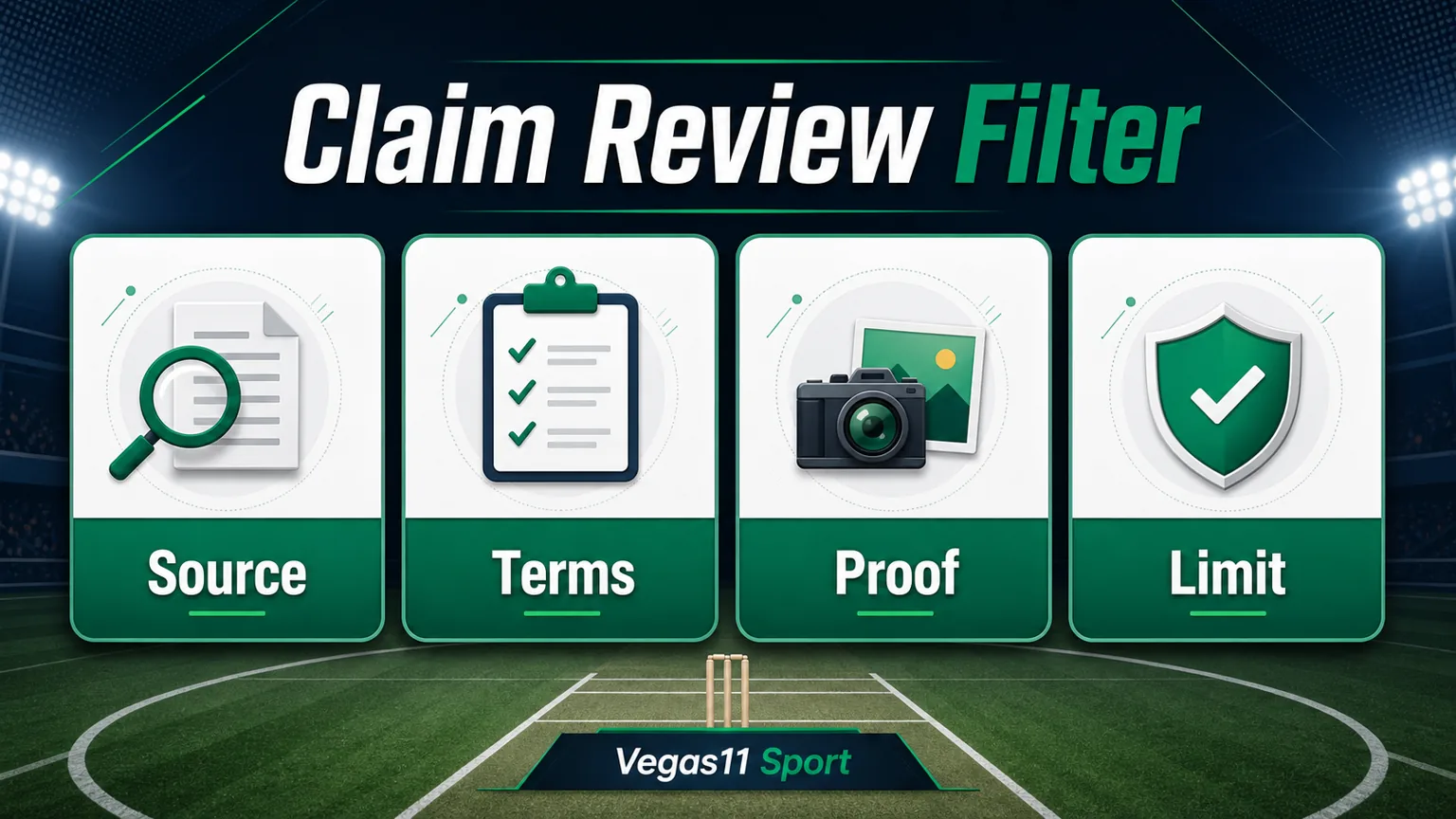
My framework is the Claim Review Filter: source, terms, proof, and limit. A prize story may be interesting, but it should not become advice unless the reader can see where it came from, what rules applied, what evidence supports it, and where the uncertainty remains.
This rewrite keeps the original search intent behind the old “secret” style topic, while removing unsupported large-result storytelling and pressure-heavy language. The article now treats prize stories as claims to evaluate, not signals to copy.
The Direct Answer: A Story Is Not A System
A single prize story is not a system. It can show that a platform feature existed, or that a reader heard an exciting account, but it does not explain repeatability, current terms, eligibility, or the risk taken to get there.
Readers should therefore treat the story as a starting point for questions. What was the source? Was the account verified? What terms applied? Was the example tied to a limited event? Did the story leave out failed attempts, limits, or account conditions?
| Story Element | What It May Show | What It Does Not Prove | Reader Check |
|---|---|---|---|
| User anecdote | A person reported a memorable experience. | It does not prove common results. | Look for source, date, and missing context. |
| Promotion mention | A special feature or event may have existed. | It does not show eligibility or full terms. | Read the live terms before joining. |
| Match-night timing | The story was tied to IPL attention. | It does not prove the match created the outcome. | Separate cricket context from account rules. |
| Large number | The story is memorable. | It does not show risk, sample size, or repeatability. | Ask what was omitted before reacting. |
How To Use The Claim Review Filter
Start with source. A reliable story should have a clear origin, a date, and enough detail to separate marketing copy from reader evidence. If the only source is a short claim with no context, the safer reading is that the story is promotional colour, not a decision guide.
Then read terms. Prize-related stories often depend on eligibility, claim windows, event rules, account verification, minimum actions, exclusions, and settlement timing. The headline may be simple, but the terms decide what the reader is actually considering.
Proof is the third layer. Proof does not need to be dramatic; it needs to be specific. The reader should be able to see whether the claim is documented, whether the example is current, and whether the article avoids pretending one story is typical.
| Filter Layer | Question | Clean Signal | Stop Signal |
|---|---|---|---|
| Source | Where did this story come from? | The date and origin are identifiable. | The story is vague or copied without context. |
| Terms | Which rules apply right now? | Eligibility, expiry, and conditions are readable. | The headline is clearer than the terms. |
| Proof | What evidence supports the claim? | The article names what can and cannot be checked. | The story asks for trust without detail. |
| Limit | What should the reader not assume? | The article states uncertainty plainly. | The story sounds like a repeatable route. |
Why Prize Stories Create Noise
Prize stories create noise because they are built to be memorable. A reader may remember the ending but forget the conditions, the attempts not shown, the timing, or the account rules. That makes the story feel cleaner than it is.
A useful article needs a second column: what would make the story less relevant today? The answer might be expired terms, a different account status, changed promotion rules, or a story that does not show the full process.
A Personal View: Good Stories Should Slow The Reader Down
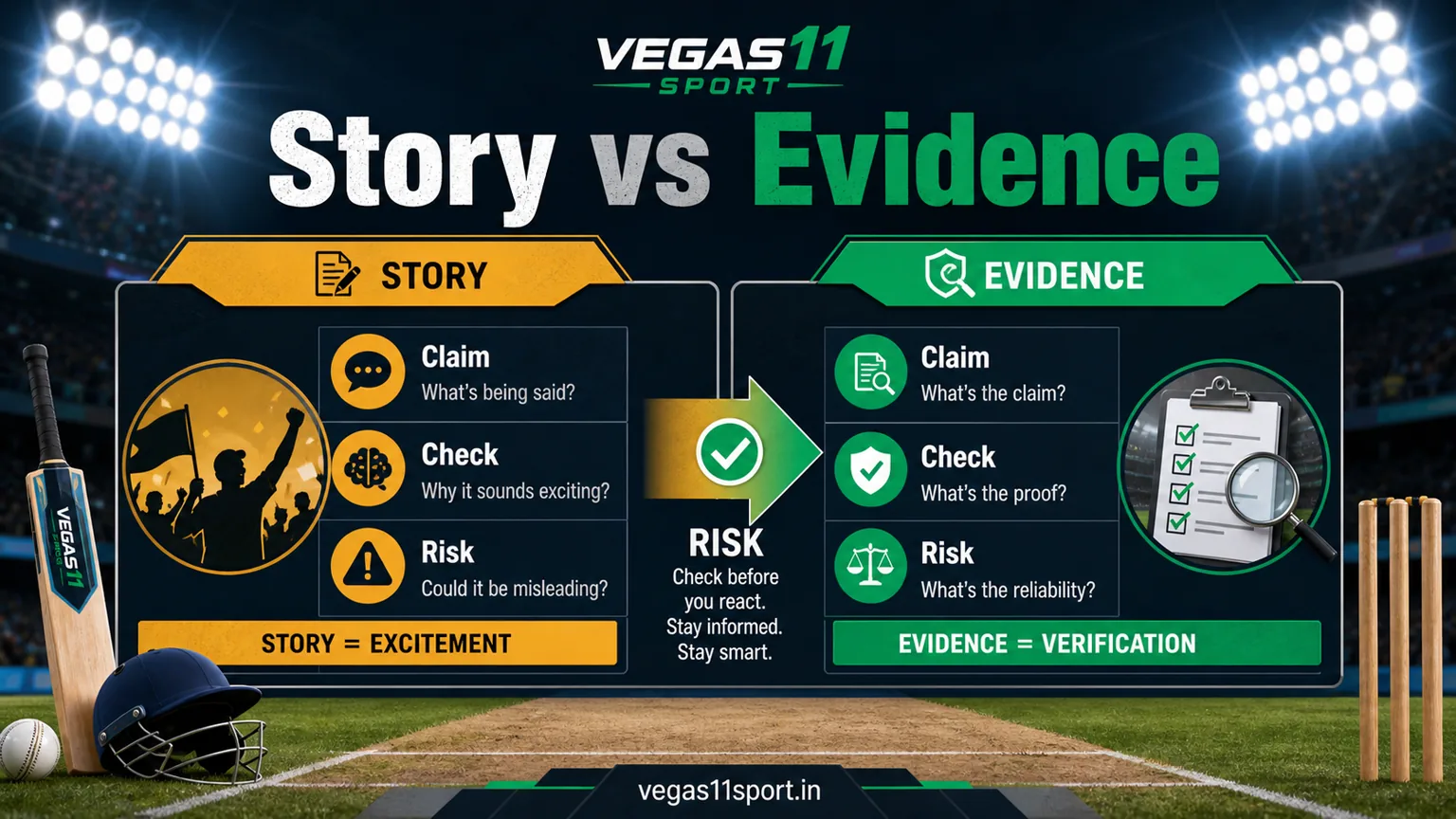
My personal rule is that a good story should slow the reader down, not speed the reader up. If the story is real, it can survive questions. If it depends on urgency or missing details, it should not guide a decision.
For Vegas11 Sport readers, the strongest habit is to separate entertainment from evidence. Enjoy the cricket story if you want, but before any account action, write the source, terms, proof, and limit in four short lines. If any line is blank, the story is not ready to influence the session.
This matters even more when the story is shared during a live match. Match emotion can make weak details feel stronger. A four-line check keeps the article grounded and helps the reader avoid treating a memorable example as a plan.
One missing-detail test is useful: ask what the story would look like if the exciting ending were removed. Would there still be a clear source, current rule, evidence trail, and responsible limit? If not, the story is mainly entertainment. That does not make it useless, but it means the reader should not treat it as practical guidance. The missing details matter more than the dramatic finish.
The final limit is simple: no story removes uncertainty. Cricket remains uncertain, platform terms can change, and account choices still need a budget and a stop point. That limit is not a flaw in the article; it is the point of the article.
| Reader Scenario | Evidence-First Response | Why It Helps |
|---|---|---|
| A prize story appears in a post. | Ask who published it and when. | It separates source from excitement. |
| The story mentions a special feature. | Read live terms before assuming eligibility. | It keeps conditions visible. |
| The story uses a large number. | Look for sample size, risk, and missing context. | It prevents one number from doing all the work. |
| Friends share the story during a match. | Pause and run the four-line filter. | It turns group excitement into verification. |
FAQ
Should readers trust IPL prize stories?
Readers should treat them as claims to review. A story may be interesting, but the reader still needs source, terms, proof, and limits before using it as context.
What terms matter most in prize-related content?
Eligibility, expiry, excluded markets, account verification, minimum actions, settlement timing, and withdrawal impact are the most important checks.
Can one story show what usually happens?
No. One story cannot show the normal range of outcomes, the full risk, or how current terms apply. It should be read as an example, not a pattern.
Source and update note: This article was refreshed on June 16, 2026 using public IPL context from IPL, responsible-use guidance from NCPG, and safer-gambling guidance from GambleAware. Promotion terms, account rules, and cricket context can change. Check current terms and verified information before acting.
Related Reading
Vegas11 Sport may include commercial references or affiliate links. Read the Affiliate Disclosure, Review Methodology, Responsible Gaming, and Corrections Policy pages before using betting-related information. Odds, account tools, market rules, promotion terms, and cricket news can change. Check live terms and current match information before you act.