
Updated June 12, 2026: IPL betting psychology is not only about liking a team, reading form, or reacting to a live score. The harder part is noticing how a win, a loss, a near miss, or a rivalry match changes judgment. This rewrite keeps the original search intent around luck, strategy, winning, and losing, but reframes the article around a calmer reader task: how to keep emotion from leading the decision.
My framework is the Mindset Match Review: trigger, stake, evidence, and exit. A cricket view can be reasonable, but it becomes weaker when the trigger is emotion, the stake changes mid-session, the evidence is thin, or the exit point is unclear. Those four checks make psychology practical instead of abstract.
This guide is for adult readers who already follow IPL betting information. It is not a prediction system and it does not promise a better result. It is a practical way to read your own behaviour before you read another match market.
The Direct Answer: Strategy Starts Before The Match
Strategy starts before the match, not after an emotional moment. If a reader waits until a boundary, wicket, rivalry chant, or previous loss to decide the next move, psychology is already driving the session.
A useful plan states what information matters, what amount is acceptable, when to stop, and what would make the reader wait. Luck and strategy both exist in cricket conversation, but the reader controls only the process. That is why a written process matters more than a dramatic feeling.
| Mindset Signal | What It Feels Like | Why It Can Mislead | Reader Check |
|---|---|---|---|
| After a win | The next call feels easier than it really is. | Confidence can expand the stake or reduce checking. | Keep the original limit and review the evidence again. |
| After a loss | The next call feels like a chance to repair the session. | The reader may chase speed instead of clarity. | Stop and write the reason before acting. |
| During rivalry hype | Emotion makes the match feel more important. | Team loyalty can replace neutral judgment. | Separate fan mood from market evidence. |
| During live swings | A wicket or boundary creates urgency. | Fast movement can feel like instruction. | Pause until the next verified signal appears. |
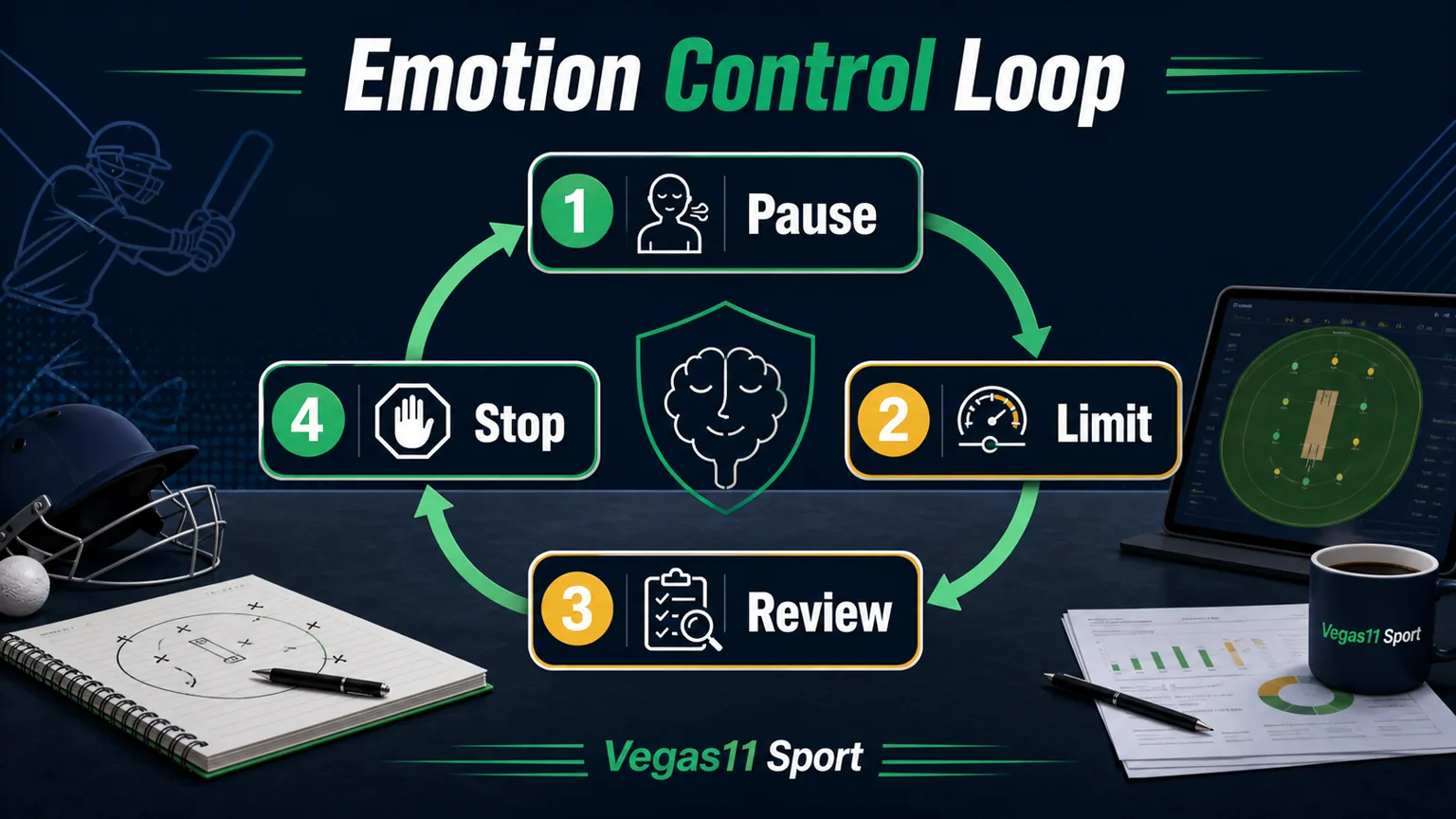
How The Mindset Match Review Works
Start with the trigger. Ask what is pushing the decision right now. Is it a team announcement, a role change, a market rule, a verified pitch note, or simply the feeling left by the last over? The trigger tells the reader whether the decision begins with evidence or emotion.
Then check the stake. A pre-set amount keeps one strong opinion from changing the entire session. If the amount is increasing because the reader feels excited, annoyed, or impatient, that is a psychology signal. The cricket view may still be interesting, but the timing is no longer clean.
Evidence is the third step. IPL evidence can include playing XI, batting role, bowling phase, venue condition, team need, and current terms. The key is to name the evidence in plain language. If the reader cannot name it, the decision is probably leaning on mood.
| Review Step | Question | Pass Signal | Stop Signal |
|---|---|---|---|
| Trigger | What started this thought? | A verified cricket or terms update. | A recent win, loss, or argument is the main push. |
| Stake | Did the planned amount change? | The pre-set limit stays the same. | The amount grows after emotion rises. |
| Evidence | Can I name the cricket reason? | The reason is specific and current. | The reason is only a feeling or fan loyalty. |
| Exit | What makes me stop? | The stop point is written before action. | The reader plans to decide later under pressure. |
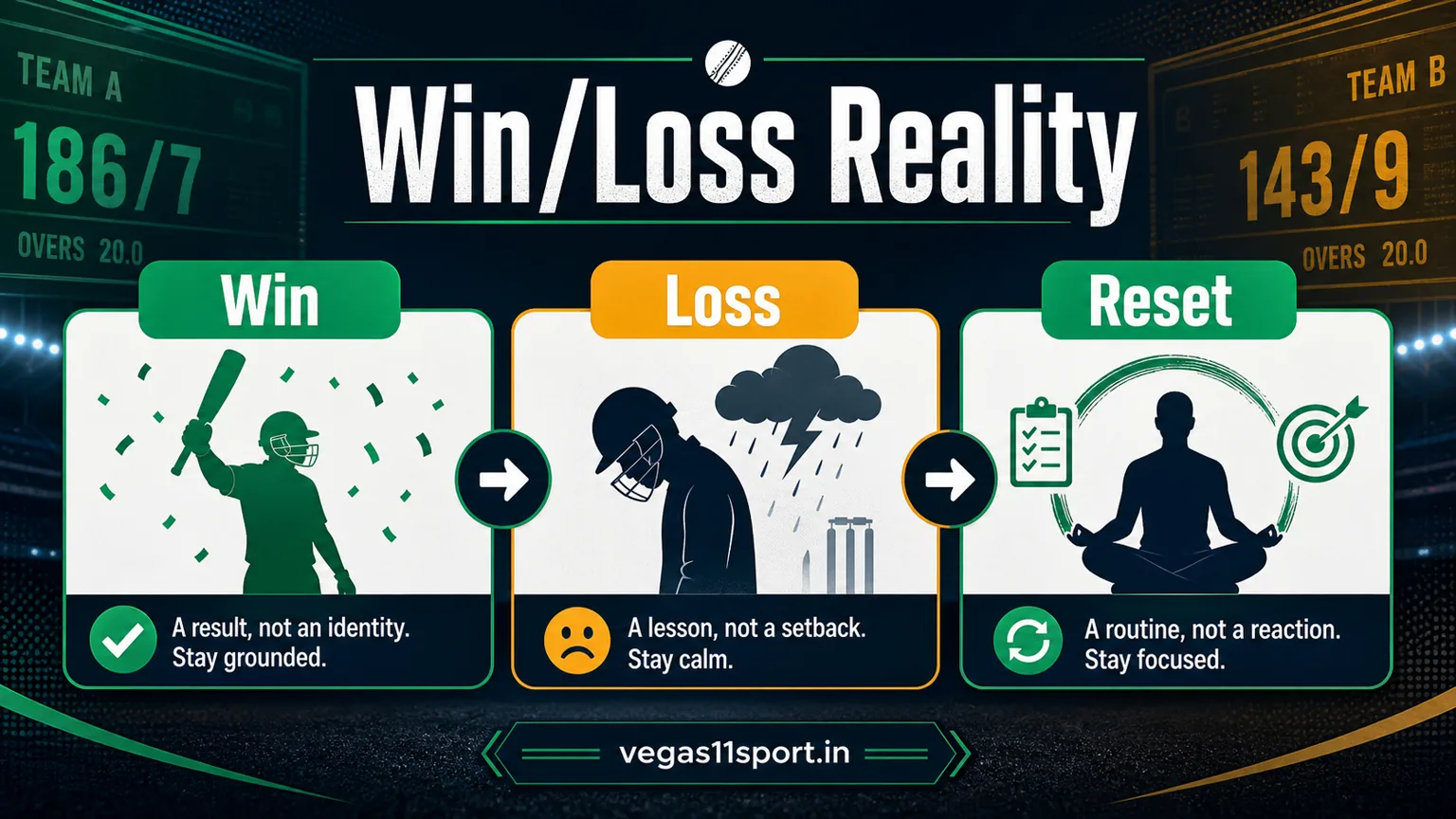
Why Wins And Losses Need The Same Process
A win can be just as risky for judgment as a loss. After a win, the reader may feel sharper than the evidence supports. After a loss, the reader may want a faster repair than the match information allows. Both feelings can shorten the review process.
That is why the same process should apply after both outcomes. The question is not whether the previous result felt good or bad. The question is whether the next decision still has a clean trigger, fixed stake, current evidence, and a clear exit.
A Personal View: The Quietest Rule Is Usually The Strongest
My personal rule is quiet: never let the previous result write the next stake. It sounds basic, but it catches many rushed decisions. When a reader can keep the stake steady after a strong feeling, the cricket analysis has more room to breathe.
For Vegas11 Sport readers, the useful habit is to write one sentence before acting: “I am considering this because…” If that sentence names only excitement, frustration, loyalty, or pressure, the cleaner response is to pause. If it names current cricket evidence and still fits the limit, the reader can at least see the decision more clearly.
A session note makes this even cleaner. Before the match, write the maximum amount, the evidence that would matter, and the point where the session ends. After the match, add one line about what emotion was strongest. Over time, that note shows whether decisions are being led by cricket context or by the feeling left from the last result. It also makes repeated patterns easier to notice.
| Reader Scenario | Better Response | Why It Helps |
|---|---|---|
| A previous call went well. | Keep the next stake at the original limit. | It prevents confidence from changing the session plan. |
| A previous call went poorly. | Stop for a review break before reading the next market. | It reduces chase behaviour. |
| A rivalry match feels intense. | Write the neutral cricket reason before acting. | It separates fan identity from evidence. |
| A live moment creates urgency. | Wait for the next confirmed update. | It keeps speed from replacing verification. |
FAQ
Does psychology matter in IPL betting?
Yes. Psychology affects timing, stake size, patience, and how quickly a reader accepts weak evidence. A calm process helps the reader notice those pressures before they shape the session.
How should readers handle wins and losses?
Use the same review after both outcomes: identify the trigger, keep the stake fixed, check current evidence, and know the exit point. The previous result should not decide the next amount.
Is luck the same as strategy?
No. Luck describes uncertainty in the match and result. Strategy describes the reader’s process: what to check, how much to risk, and when to stop. The process is the part the reader can control.
Source and update note: This article was refreshed on June 12, 2026 using public IPL context from IPL, responsible-use guidance from NCPG, and safer-gambling guidance from GambleAware. Match context, account tools, and market labels can change. Check current information and set limits before acting.
Related Reading
Vegas11 Sport may include commercial references or affiliate links. Read the Affiliate Disclosure, Review Methodology, Responsible Gaming, and Corrections Policy pages before using betting-related information. Odds, account tools, market rules, promotion terms, and cricket news can change. Check live terms and current match information before you act.