
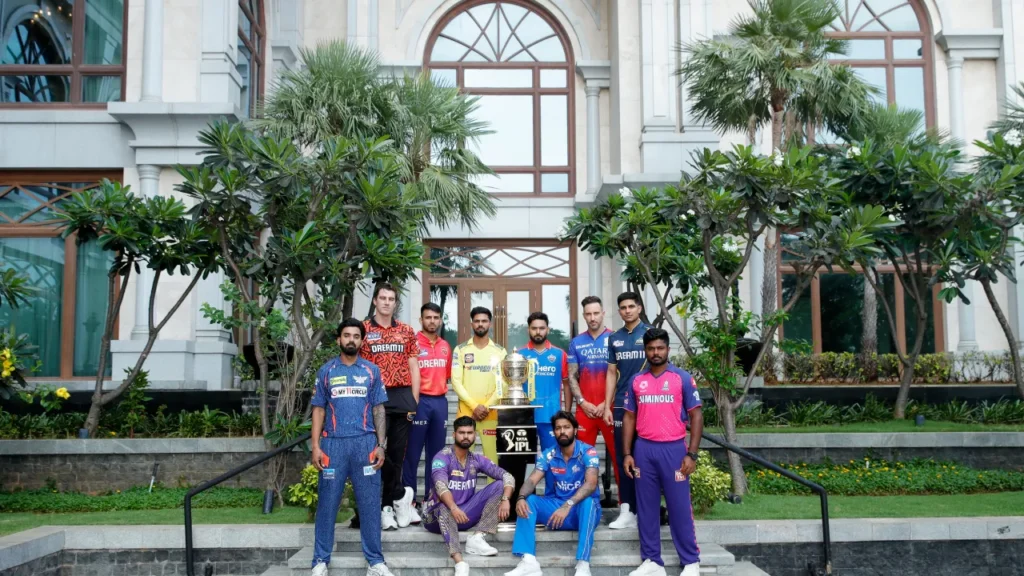
Mega Auction and Player Overhaul
The 2025 Indian Premier League (IPL) is expected to undergo significant changes, with a mega auction set to shake up the league. This event will necessitate teams to largely overhaul their rosters, as most players will be placed into the auction pool. The Board of Control for Cricket in India (BCCI) has yet to announce the exact number of players that each team can retain, leading to discussions among franchises about potential radical changes.
Proposed Changes by IPL Franchises
Increasing Auction Cycle to Five Years:
Franchises have suggested extending the interval between mega auctions from three to five years. This change aims to provide teams with more stability, allowing them to develop young players without the frequent risk of losing talent to competitors. The current three-year cycle is believed to disrupt the building of a loyal fanbase.
Retention Rules and Right to Match (RTM) Cards:
A significant point of debate is the number of players each team should be allowed to retain. Proposals range from four to six retentions, while some franchises have suggested either eliminating retentions altogether or allowing up to eight RTM cards. The RTM cards enable teams to match the highest bid for their former players, thus retaining them at the auction.
Salary Negotiation Flexibility:
Franchises are also advocating for the ability to renegotiate salaries with players outside of the auction process. This proposal would allow teams to secure better deals, particularly for players who might be willing to stay at base or lower prices than previous auctions. Transparency would be maintained, with new salary figures being reported to the BCCI.
BCCI’s Response and Future Decisions
The BCCI has not yet confirmed these changes, but the discussions indicate a desire among franchises to create a more stable and strategic environment. As the league prepares for its next phase, these proposals could significantly impact team compositions and the overall structure of the IPL. A meeting with all teams is scheduled later this month, where these suggestions will likely be further debated and potentially implemented.(cricket betting sites)